
Chalbi Desert Safari Guide: Routes, Conditions, and Expedition Planning
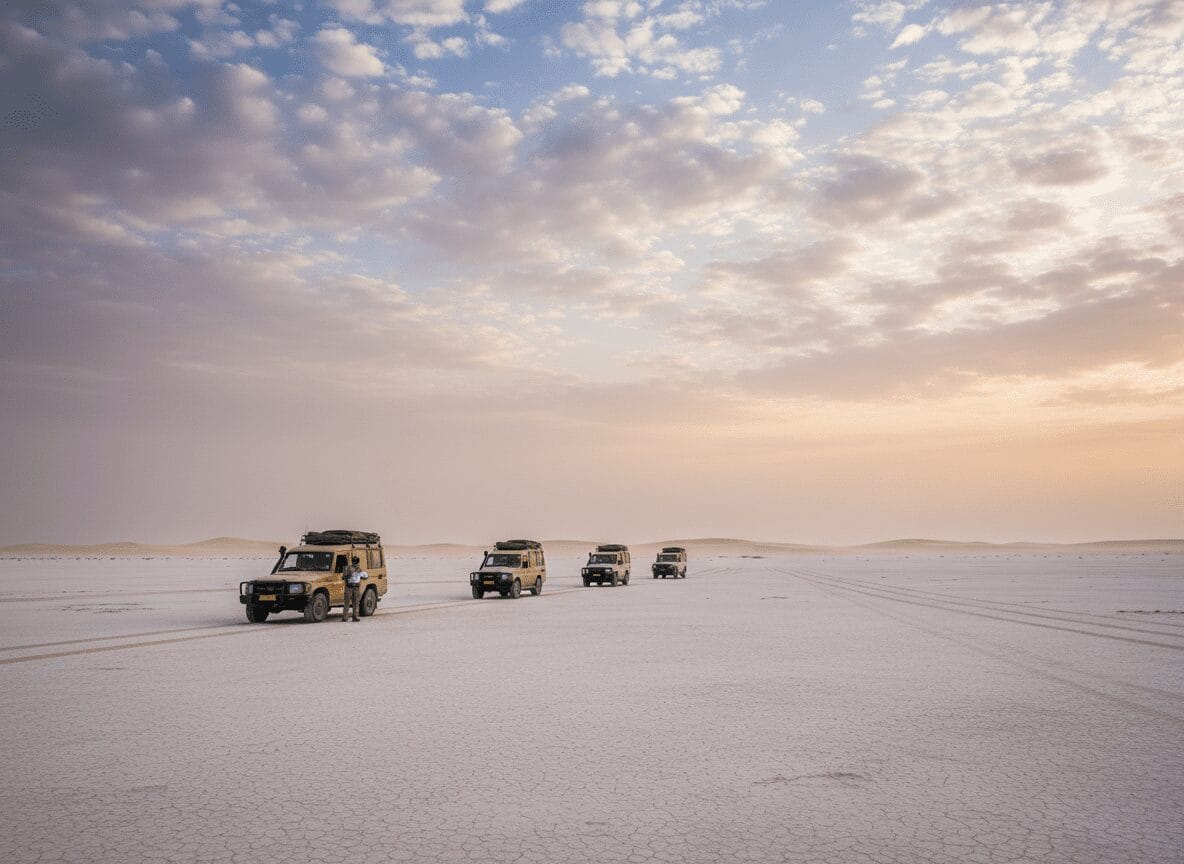
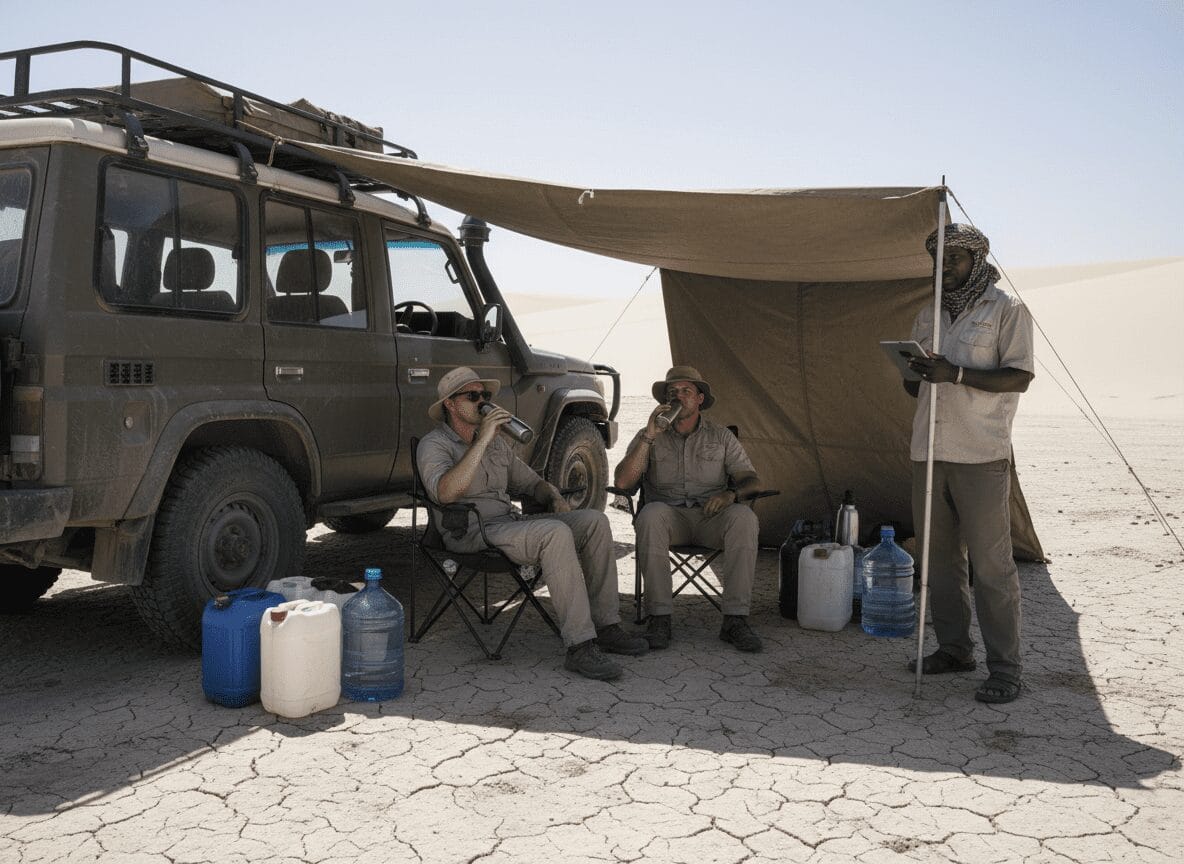
A dependable chalbi desert safari guide must begin with operational facts. The Chalbi is exposed, remote, and highly condition-dependent. You do not plan this like a standard park loop. You plan it as an expedition segment with weather buffers, support logistics, and strict route discipline.
At Trunktrails Safaris, we run tours and safaris in this corridor with pre-set contingency layers, experienced field teams, and conservative movement plans that protect both safety and trip quality.
Why Chalbi Needs Specialist Planning
The desert environment changes quickly with weather and surface conditions. A strong chalbi desert safari guide should always include:
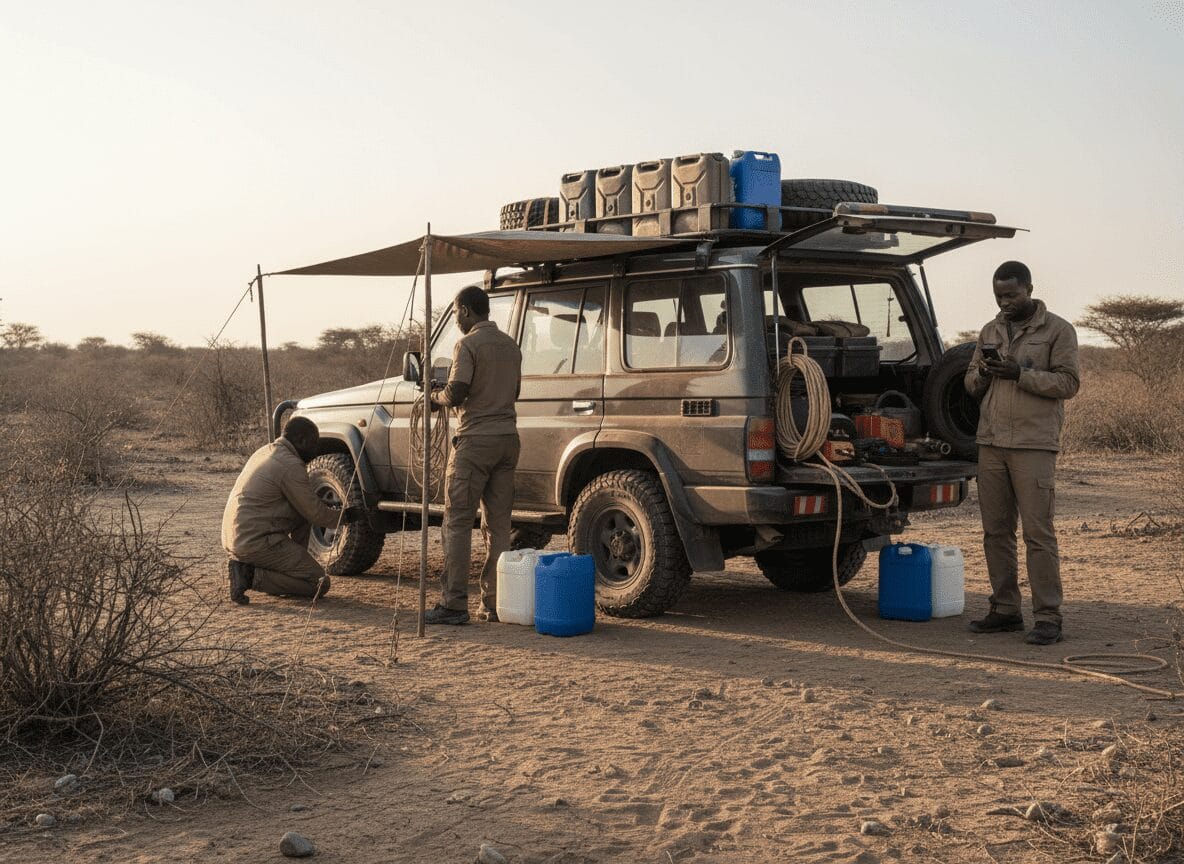
- Realistic travel time blocks with backup options
- Communication and support planning
- Water, shade, and heat protocols
- Vehicle strategy with recovery readiness
These are non-negotiable for responsible tours and safaris in the Chalbi region.
Best Time to Plan a Chalbi Expedition
- January to March: often reliable for movement and open visibility
- June to October: dry-leaning period favored for many itineraries
- November to early December: possible with careful timing
- April to May: only with significant flexibility
Trunktrails Safaris confirms route status close to departure and updates travel sequencing if field conditions change.
Route Options and Typical Pairings
Chalbi is usually part of broader northern circuits. Common pairings include Marsabit highlands, Lake Turkana corridor segments, or Samburu-to-north expedition lines.
A practical chalbi desert safari guide compares:
- Short Chalbi exposure with nearby base support
- Full expedition-style crossing with advanced logistics
- Hybrid programs that limit high-risk long sectors
For most guests, option one or three gives better value than aggressive full-crossing plans.
Packing and Field Readiness
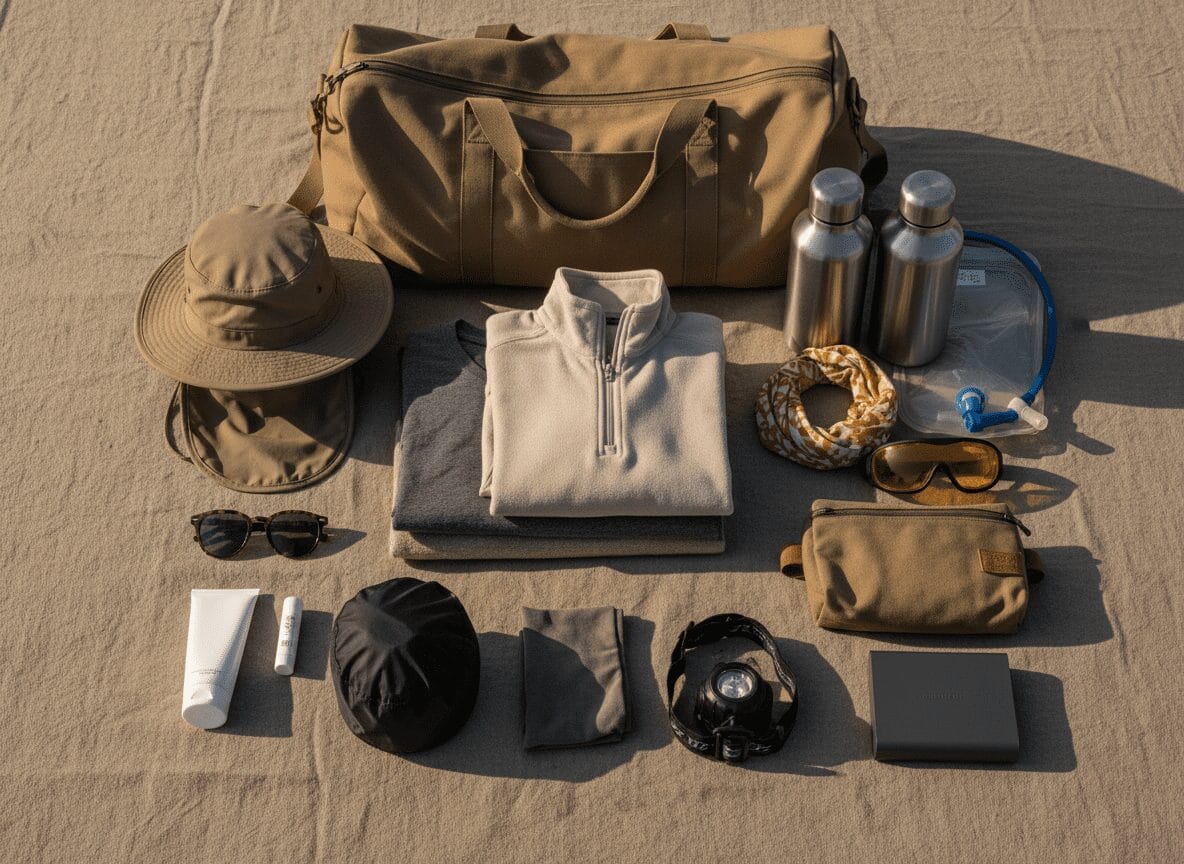
Desert comfort depends on preparation. Key items include:
- Layered clothing for cool dawn and intense midday heat
- Full sun protection and hydration systems
- Dust management for optics and camera bodies
- Soft luggage and organized personal kit modules
Trunktrails Safaris provides a trip-specific pack sheet before departure for all desert tours and safaris.
Safety and Support Standards
In Chalbi, support standards define trip success. Your operator should provide:
Chalbi Desert Expedition: Key Facts
The Chalbi is a saline desert in Kenya’s far north, true expedition territory between Marsabit and Lake Turkana where preparation matters more than at any park.
| Detail | Info |
|---|---|
| What it is | Saline desert, northern Kenya |
| Between | Marsabit and Lake Turkana |
| Oases | Maikona, Kalacha |
| Travel | 4×4 convoy, experienced guide essential |
| Best for | Adventurers, photographers, culture |
This is not a self-drive day out: go with experienced guides, proper vehicles, and careful fuel and water planning, since services are nonexistent across the desert.
Further reading
- Satellite communication strategy
- Recovery equipment and experienced drivers
- Planned water and fuel margins
- Clear emergency and evacuation protocols
This is standard operating practice in Trunktrails Safaris remote itineraries.
Sample 4-Day Chalbi Segment
- Marsabit-side staging, systems check, and overnight
- Early desert movement with guided interpretation stops
- Secondary field day with route flexibility and weather buffer
- Controlled exit toward the next corridor destination
This format keeps activity quality high while minimizing unnecessary risk.
Why Book Chalbi With Trunktrails Safaris
Trunktrails Safaris designs desert tours and safaris with a safety-first operating model, realistic timing, and experienced teams who understand northern terrain behavior. You get structured planning and direct support from pre-trip prep to final transfer.
Plan your Chalbi expedition with a route and logistics model built for real field conditions.
WhatsApp: +254 113 208888 Email: info@trunktrailssafaris.com Website: https://trunktrailssafaris.com
FAQs: Chalbi Desert Safari Guide
Is Chalbi suitable for a first Kenya safari?
It is better as an add-on for travellers comfortable with remote conditions or supported private departures.
Do I need a private vehicle for Chalbi?
Private format is usually best because timing and support can be adapted day by day.
Can Chalbi be combined with Lake Turkana?
Yes, and it is a popular combination when pacing and logistics are planned in advance.
What is the biggest planning mistake?
Underestimating distance and support requirements is the most common issue.
APPROVED FOR PUBLICATION – Chalbi Desert Safari Guide: Routes, Conditions, and Expedition Planning – 2026-04-30