
Birding in Kenya: The Ultimate Safari Guide for Avian Enthusiasts 🌍
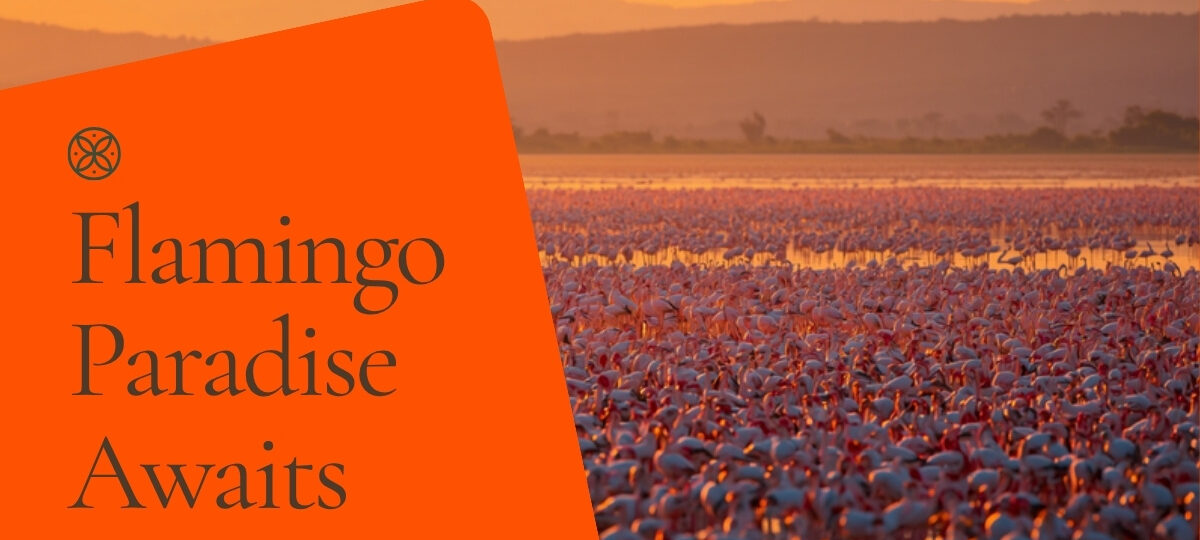
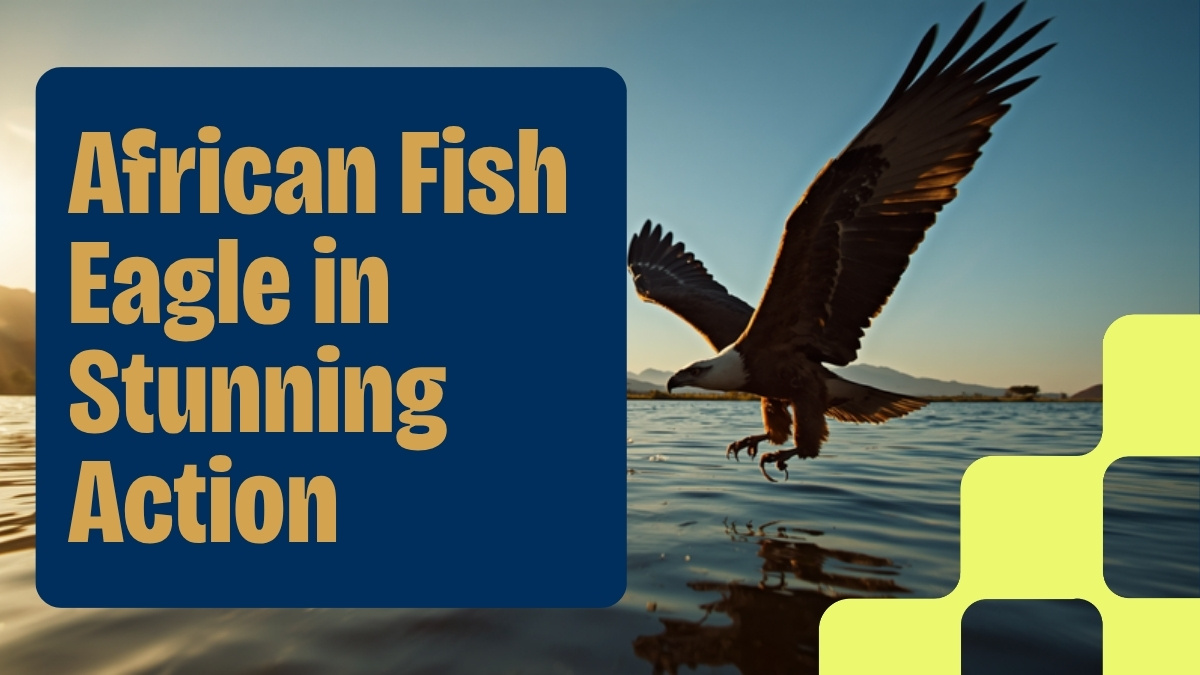
Imagine standing at the edge of Lake Nakuru as a pink tide of over a million flamingos ripples across the shallows. The air carries the sharp tang of alkaline salt, the sky thrums with wings, and above it all an African Fish Eagle splits the morning silence with its unmistakable cry. This is birding in Kenya at its most electric to and it is just one frame in a country that holds more than 1,100 bird species.
That is nearly ten percent of all bird species on Earth, concentrated inside a single, geographically varied country. From snow-capped highland forests to semi-arid savanna to coastal mangroves, Kenya offers a staggering range of habitats within a few hours’ drive of each other. Whether you are a serious “lister” chasing rare endemics or a first-time birder who simply loves wild things, birding in Kenya rewards every level of enthusiasm.
This guide covers the premier hotspots, the best seasons, what gear to pack, and how to plan tours and safaris that balance feathered finds with Kenya’s legendary Big Five.
Why Kenya Is a World-Class Birding Destination
Kenya’s greatest asset is its geographic variety. The Great Rift Valley runs north to south like a spine, funnelling millions of Palaearctic migrants between Europe, Asia, and sub-Saharan Africa each year. The Kenyan highlands sit above 2,000 metres, supporting montane forest species found nowhere else. The coast stretches more than 500 kilometres, sheltering mangrove specialists and seabirds. And the arid north holds dry-country endemics that seasoned birders fly in from Europe and North America specifically to see.
Nature Kenya (the East Africa Natural History Society) has designated over 60 Important Bird Areas (IBAs) within Kenya’s borders. Sites like Kakamega Forest, Lake Baringo, and Arabuko Sokoke Forest each protect critically threatened species. When you join tours and safaris guided by people who know these IBAs intimately, your species count rises fast.
At Trunktrails Safaris, our guides are Kenyans who grew up watching these birds. That local knowledge is the difference between a good day’s birding and an extraordinary one.
Top Birding Hotspots in Kenya
The Rift Valley Lakes: Nakuru, Naivasha, and Baringo
The Rift Valley is the backbone of any birding in Kenya itinerary. In fact, no Kenya safari is complete without at least one Rift Valley lake morning. Lake Nakuru holds more than 450 recorded species. Its alkaline shallows attract tens of thousands of Lesser and Greater Flamingos, Great White Pelicans, African Spoonbills, and Hamerkops. The surrounding woodland adds a different layer to look for the Lilac-breasted Roller, Ross’s Turaco, and the Schalow’s Turaco in the fig trees above the shoreline.
Lake Naivasha offers a freshwater contrast. A morning boat trip glides you past wallowing hippos to reach the reed beds where Giant Kingfishers, Goliath Herons, and Pied Kingfishers hunt. The fever tree forest along the shore is prime territory for African Fish Eagles and a dozen species of weavers in breeding season.
Further north, Lake Baringo holds over 500 recorded species to one of the highest counts of any single site in Kenya. Specialities here include the Hemprich’s Hornbill, Jackson’s Hornbill, and Verreaux’s Eagle, which rides the thermals above the red basalt cliffs at dawn.
Kakamega Forest and the Western Circuit
For endemic and near-endemic species, the western circuit is essential. Kakamega Forest is Kenya’s only remaining patch of Guineo-Congolian rainforest, and it holds species that exist nowhere else in East Africa. The Great Blue Turaco moves through the canopy in slow, deliberate wingbeats. The African Grey Parrot calls from the upper storey. The Black-and-white-casqued Hornbill announces itself long before you see it.
The nearby shores of Lake Victoria add papyrus-dwelling specialists to the list. The Papyrus Gonolek, with its vivid red underparts, is a prize find here. Papyrus Yellow Warbler and Carruthers’s Cisticola are others that draw serious listers from around the world.
Tours and safaris into the western circuit often feel like a genuine expedition to smaller crowds, dense forest trails, and the sense of being somewhere truly wild.
Coastal Wonders: Arabuko Sokoke Forest and Watamu
The Kenyan coast is more than white-sand beaches. Arabuko Sokoke Forest, the largest remaining fragment of coastal forest in East Africa, protects two species found nowhere else on Earth: the Sokoke Scops Owl and the Sokoke Pipit. Walking these dappled paths with a knowledgeable Trunktrails Safaris guide, you may also encounter the Amani Sunbird, the Clarke’s Weaver, and the Chestnut-fronted Helmet-shrike. 📸
The Watamu Marine National Park and its mangrove channels add shorebirds, terns, and waders to the tally. Crab Plovers, Terek Sandpipers, and Lesser Sand Plovers gather on the tidal flats between October and April.
The Big Game Parks: Masai Mara, Amboseli, and Samburu
You do not have to choose between big cats and remarkable birds. In the Masai Mara, the open grassland supports the Secretary Bird to a long-legged raptor that stomps through the grass hunting snakes to alongside Kori Bustards, African Wattled Lapwings, and clouds of vultures during the Great Migration. Lappet-faced, White-backed, and Ruppell’s Griffon Vultures circle the river crossings in their dozens.
In Samburu, the arid north delivers a completely different list. The Vulturine Guineafowl is arguably the most beautiful game bird in Africa to cobalt chest, intricate spotting, and a long trailing tail. Samburu also holds the Somali Ostrich, the Martial Eagle, and the Lilac-breasted Roller in its most vivid dry-season plumage.
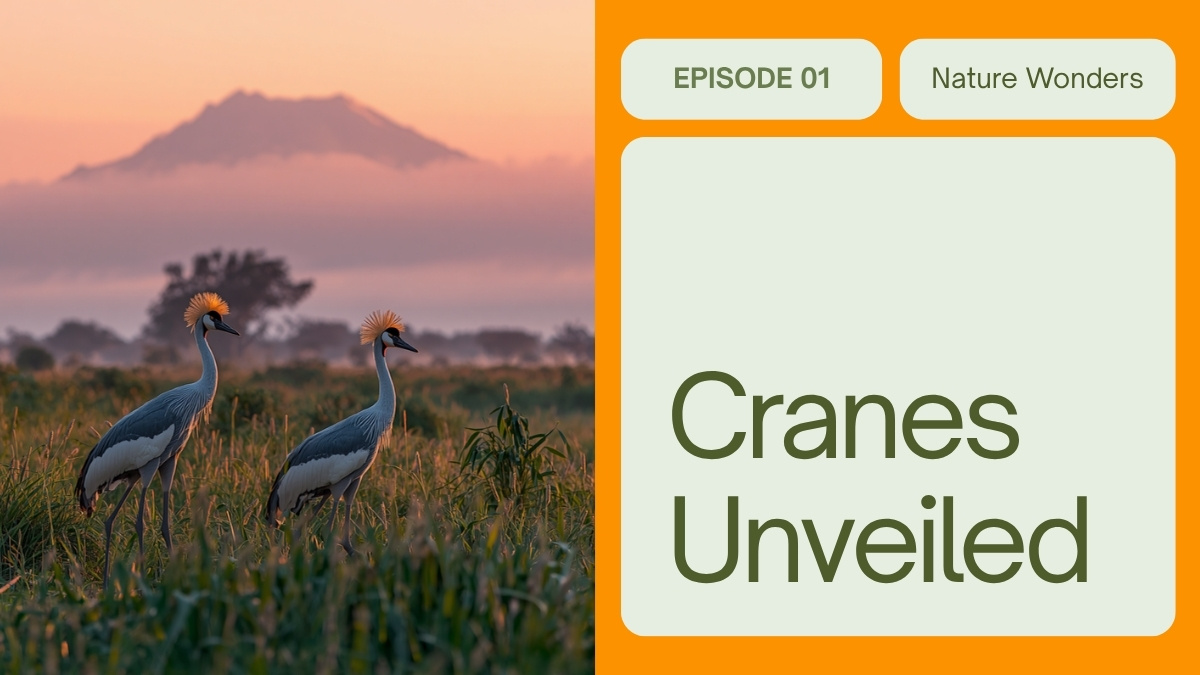
In Amboseli, the swamps at the base of Kilimanjaro attract Grey Crowned Cranes (Kenya’s national bird), Great Egrets, and Long-toed Lapwings. The backdrop of Kilimanjaro at first light, with a flock of crowned cranes lifting from the marsh, is one of the iconic images of East African birding. 🌅

Best Times for Birding in Kenya: Seasons and Species Windows
Birding in Kenya is rewarding throughout the year, but timing determines what you find.
| Season | Months | What to Expect |
|---|---|---|
| Palaearctic migrants peak | Nov to Apr | European and Asian migrants present; resident birds in breeding plumage |
| Short rains | Nov to Dec | Lush landscapes; breeding activity; soft light for photography |
| Long rains | Mar to May | Dense vegetation; fewer tourists; excellent photography conditions |
| Dry season | Jul to Oct | Best general wildlife viewing; birds concentrate at water sources |
| Peak species count | Dec to Jan | Up to 300+ species possible on a 10-day trip |
The November to April window is the sweet spot for overall species diversity. Resident breeders are in full colour while Palaearctic migrants from Europe and Asia fill every bush and water edge.
The dry season from July to October is excellent for game viewing alongside your birding. Less vegetation means birds are easier to spot, and waterholes become magnets for both mammals and species like the African Jacana and various kingfishers.
Essential Gear for a Kenya Birding Safari
Pack light but pack smart. These are the items that make the biggest difference in the field:
- Binoculars: 8×42 or 10×42 are the standard choice. Waterproof models with ED glass handle Kenya’s varying light conditions well.
- Field guide: Stevenson and Fanshawe’s Birds of East Africa is the definitive reference. Download the accompanying app as a backup.
- Camera with telephoto lens: A 500mm or 600mm prime, or a 100-500mm zoom, covers most situations. A teleconverter adds reach for shy species.
- Notebook or eBird app: Log sightings in real time. eBird data also contributes to citizen science records for Kenyan species.
- Neutral clothing: Khaki, olive, and grey are best. Avoid white and bright colours that startle birds at close range.
- Early starts: Most productive birding happens in the first two hours after sunrise. Plan your drives accordingly.
Great birding in Kenya starts with the right guide. A Trunktrails Safaris guide will already know the precise tree where the Sokoke Scops Owl roosts and the hour the Papyrus Gonolek begins to call. That local intelligence shortens the search dramatically. Log your sightings with the eBird app as you go and your records contribute to citizen science data for Kenyan species.
The Trunktrails Advantage
Trunktrails Safaris is a native Kenyan-owned operator, and that matters in ways you feel the moment you step into the field. Our guides are not reading from a laminated sheet to they have spent years in these habitats. They know the seasonal micro-movements of species, the calling perches of elusive owls, and the back routes into IBAs that rarely see other vehicles.
Every birding tour we design is tailor-made. A solo lister chasing endemics needs a different itinerary from a family combining birds with elephant watching. We build both, for all budgets, from focused one-park day trips to 10-day multi-ecosystem expeditions covering the Rift Valley, western forests, and the coast in a single circuit.
You deal directly with us to no middlemen, no booking agencies adding a layer of distance between you and the people who will actually guide you. Our 24/7 support line means that if the owl did not show last night, we adjust this morning’s plan.
We are certified by and licensed by the Tourism Regulatory Authority (TRA). Five percent of every Trunktrails Safaris booking goes directly to wildlife conservation, supporting the habitat that makes birding in Kenya possible in the first place.
When you book tours and safaris with us, you are investing in the country, the communities, and the birds you came to see. 🦁
Quick Reference: Kenya’s Top Birding Sites
| Site | Top Species | Best Season | Type |
|---|---|---|---|
| Lake Nakuru | Flamingos, Pelicans, Fish Eagle | Year-round | Rift Valley lake |
| Lake Baringo | Hemprich’s Hornbill, Verreaux’s Eagle | Year-round | Rift Valley lake |
| Lake Naivasha | Giant Kingfisher, Goliath Heron | Year-round | Freshwater lake |
| Kakamega Forest | Great Blue Turaco, African Grey Parrot | Nov to Apr | Rainforest |
| Arabuko Sokoke | Sokoke Scops Owl, Sokoke Pipit | Oct to Apr | Coastal forest |
| Masai Mara | Secretary Bird, Kori Bustard, Vultures | Jul to Oct | Savanna |
| Samburu | Vulturine Guineafowl, Martial Eagle | Jul to Oct | Arid savanna |
| Amboseli | Grey Crowned Crane, Long-toed Lapwing | Nov to Apr | Wetland/savanna |
| Lake Victoria shores | Papyrus Gonolek, Papyrus Yellow Warbler | Nov to Apr | Papyrus wetland |
Plan Your Birding Safari with Trunktrails Safaris
Kenya holds 1,100 bird species. How many will you see?
The answer depends on where you go, when you go, and who guides you. Trunktrails Safaris builds custom birding itineraries that cover the right habitats at the right times, guided by Kenyans who know this country and its birds inside out.
Contact us now to start planning:
WhatsApp: +254 113 208888 Email: info@trunktrailssafaris.com Website: https://trunktrailssafaris.com
Availability fills fast in peak migration season (November to January). Get in touch early to secure your dates.
TRA Licensed