Amboseli Big Cats Guide: Lions, Cheetahs, and Leopards
Amboseli big cats guide is useful because many travellers know the park for elephants and want to understand whether predators are a bonus or a real part of the safari. The honest answer is that big cats are absolutely part of the Amboseli wildlife story, but they do not define the destination in the same overwhelming way elephants do.
Amboseli.org’s wildlife pages explicitly highlight lions, cheetahs, and leopards as part of the park and wider ecosystem. The same source says Amboseli currently supports an estimated 40 to 50 lions, which it frames as the highest number recorded there in over a decade. It also notes that lions are frequently seen along swamp edges and open plains, where prey is abundant and visibility is good.
That gives the right starting point. Big cats in Amboseli are real, worthwhile, and often very photogenic. They are just not the only reason to visit.
The Short Answer
Amboseli is good for big cats if:
- you keep expectations realistic
- you understand that elephants remain the main headline
- you use the right times of day
- your guide works open plains, swamp edges, and habitat transitions well
Most realistic predator order in Amboseli:
- lions first
- cheetahs as a strong possibility
- leopards as the more luck-dependent cat
That is the most practical way to frame the park.
Lions: The Most Important Big Cat for Most Visitors
Lions are usually the main predator people hope to see after elephants.
Why lions matter in Amboseli:
- they are the most regularly discussed big cat in park material
- the open habitat can make sightings easier to interpret
- swamp-edge prey concentrations help structure predator movement
Amboseli.org notes that prides can be smaller and more loosely structured than in some other ecosystems, but that does not reduce the viewing value. In fact, open terrain can make even a simple lion sighting feel very rewarding.
Best expectation:
- lion sightings are realistic
- not guaranteed every drive
- especially rewarding in early light and around productive hunting zones
Cheetahs: Special, Photogenic, and Worth Hoping For
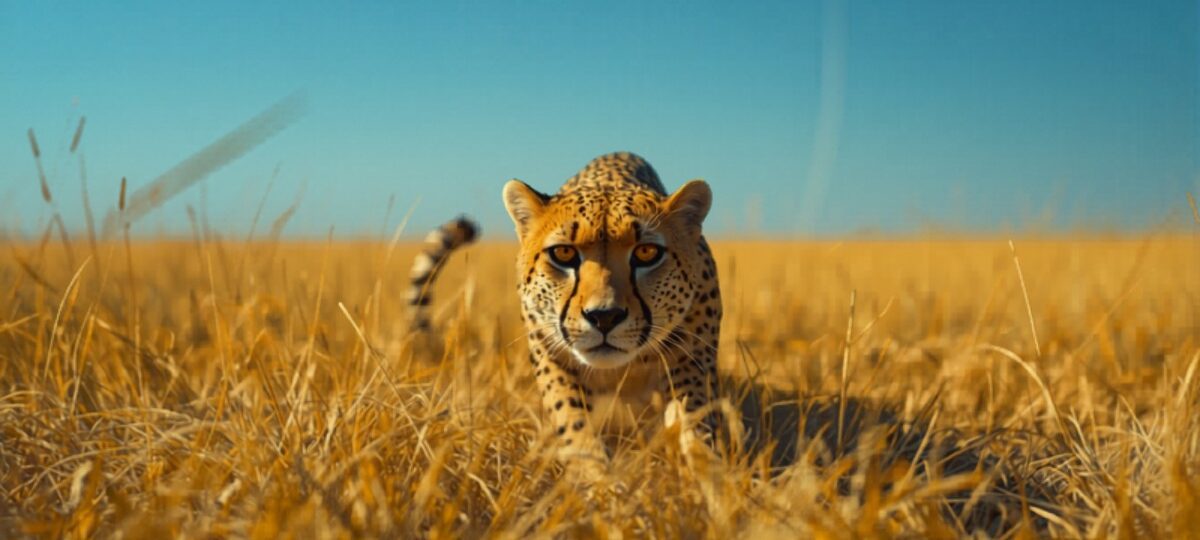
Cheetahs fit Amboseli’s open-country character very well.
Why:
- the plains suit the visual style people associate with cheetah viewing
- the wider ecosystem gives them space
- the open landscape helps with distant spotting when luck is on your side
Cheetah sightings in Amboseli tend to feel memorable because:
- the habitat reads clearly
- movement is easy to follow
- photographs often look clean and spacious
Trunktrails Safaris usually treats cheetahs as a major bonus species in Amboseli rather than the core promise.
Leopards: Possible, But the Least Predictable
Leopards are part of the park’s four-of-the-Big-Five framing, but they are still the hardest of the three big cats for most travellers.
Why:
- leopard behavior is naturally less conspicuous
- they often use more covered or less obvious zones
- even in a readable landscape, they remain a species that depends heavily on timing and luck
That is why a good Amboseli safari should respect leopard possibility without selling it as a routine expectation.
Best Time of Day for Big Cats in Amboseli
The best times are usually:
- early morning
- late afternoon
Why:
- temperatures are lower
- predators are more active
- the light is better
- the prey landscape becomes easier to read
Amboseli.org’s activity guide explicitly frames morning drives as strong for active predators and afternoon drives as strong for golden light and wildlife near the swamps. For more detail, read our Night Dawn Game Drive Masai Mara.
This is one reason short tours and safaris should still try to include both drive windows when possible.
Best Areas for Predator Logic
The strongest cat search logic usually includes:
- swamp edges
- open plains near prey concentrations
- habitat transitions between feeding zones and cover
That is especially true for lions, which Amboseli.org specifically associates with swamp edges and open plains.
For cheetahs, open country matters even more. For leopards, patience and local guide knowledge matter most.
Is Amboseli a Big-Cat-First Destination-
No, not in the same way some other Kenya parks are marketed.
Amboseli is:
- elephant-first
- scenery-rich
- bird-strong
- predator-capable
That distinction matters because travellers enjoy the park more when they do not judge it only by cat density. Big cats improve the safari. They do not have to carry it.
Big Cats and Photography in Amboseli
When big-cat sightings happen in Amboseli, they are often very photogenic.
Why:
- open lines of sight
- clean grassland or swamp-edge backgrounds
- strong low-angle light in morning and evening
Lions are especially rewarding in this environment because even resting pride members can photograph beautifully in readable terrain.
Cheetahs can be spectacular because the plains fit their body shape and movement style so well.
Leopards are rarer, but that rarity makes them especially satisfying when seen.
Are Big Cats Still Worth Chasing on a Short Safari-
Yes, but as part of the larger wildlife picture.
On a short Amboseli safari:
- elephants should still be the anchor
- big cats should be a major secondary hope
- birds and plains game should fill out the drive
That mindset produces a better safari than making predators the only measure of success.
What Type of Traveler Cares Most About Big Cats in Amboseli-
Usually:
- repeat safari guests
- photographers
- travellers comparing parks
First-time guests often enjoy predator sightings deeply, but they are usually satisfied by the full mix of elephants, scenery, and general wildlife.
Repeat guests are more likely to ask:
- how often are lions seen-
- is cheetah realistic-
- how hard is leopard-
This guide is especially useful for them.
Best Safari Structure for Big Cats in Amboseli
If predators matter, the strongest Amboseli plan usually includes:
- at least two nights
- a serious dawn drive every full day
- a guide willing to balance swamp-edge logic with open-country scanning
- realistic expectations that the safari is predator-capable, not predator-guaranteed
This matters because big cats in Amboseli reward structure more than hope alone. A guest who sleeps too far from the park, skips sunrise, or treats predators as an afternoon-only interest is usually reducing the odds unnecessarily.
Are Big Cats Enough Reason to Visit Amboseli-
Usually not by themselves, and that is actually a strength in expectation-setting.
Amboseli works best when travellers want:
- elephants first
- predators as a meaningful second layer
- open-country wildlife and scenery together
When the safari is framed that way, big-cat sightings improve an already strong experience instead of carrying the whole trip on their own.
Quick Amboseli Big Cats Guide
| Cat | Expectation Level | Main Strength in Amboseli |
|---|---|---|
| Lion | Most realistic | Open-country and swamp-edge viewing |
| Cheetah | Real but less frequent | Excellent habitat style for sightings |
| Leopard | Most luck-dependent | Valuable when seen, but not routine |
Amboseli’s Big Cats: What to Expect
Amboseli’s open plains make it a strong lion and cheetah park, though its lack of dense cover means leopards are genuinely scarce here compared with wooded reserves.
| Cat | Status in Amboseli | Where and when |
|---|---|---|
| Lion | Resident prides | Open plains, dawn and dusk |
| Cheetah | Present, favours open grass | Daytime, short-grass plains |
| Leopard | Scarce and elusive | Acacia fringes, low odds |
Spotted hyena are common across the park. Because the terrain is so open, lion and cheetah are far easier to find here than leopard, which is the reverse of many forested reserves.
The Trunktrails View
At Trunktrails Safaris, we describe Amboseli’s big-cat experience this way:
- lions are a meaningful part of the safari
- cheetahs are a real possibility
- leopards are the bonus predator
That is a strong predator package when paired with everything else the park already does well.
Final Decision Rule
If you want a park where elephants lead and big cats add real depth, Amboseli is a very good answer.
If you want a park judged only by cat intensity, you should compare it with other ecosystems more known for predator-first safari design.
That honest framing helps guests enjoy Amboseli for what it genuinely is.
Further reading
Ready to Plan Your Kenya Safari- Talk to Trunktrails Safaris
Trunktrails Safaris designs tailor-made tours and safaris for every traveller and every budget. If you want an Amboseli safari with realistic big-cat expectations, we can match the right season, trip length, and guide style to the wildlife experience you want most.
WhatsApp: +254 113 208888 Email: info@trunktrailssafaris.com Website: https://trunktrailssafaris.com