Responsible Wildebeest Migration Safari Kenya
The migration is not only a spectacle. It is a living system.
A responsible wildebeest migration safari Kenya plan protects the animals, respects the Maasai communities who share the land, and gives guests a powerful experience without turning the Mara River into a traffic jam. The goal is not to get the closest vehicle. The goal is to witness the event well and leave the ecosystem stronger.
This guide explains ethical viewing, conservancy value, camp choice and guest behaviour. Trunktrails Safaris builds responsible migration tours and safaris around conservation, respect and honest guiding.
What Responsible Safari Means
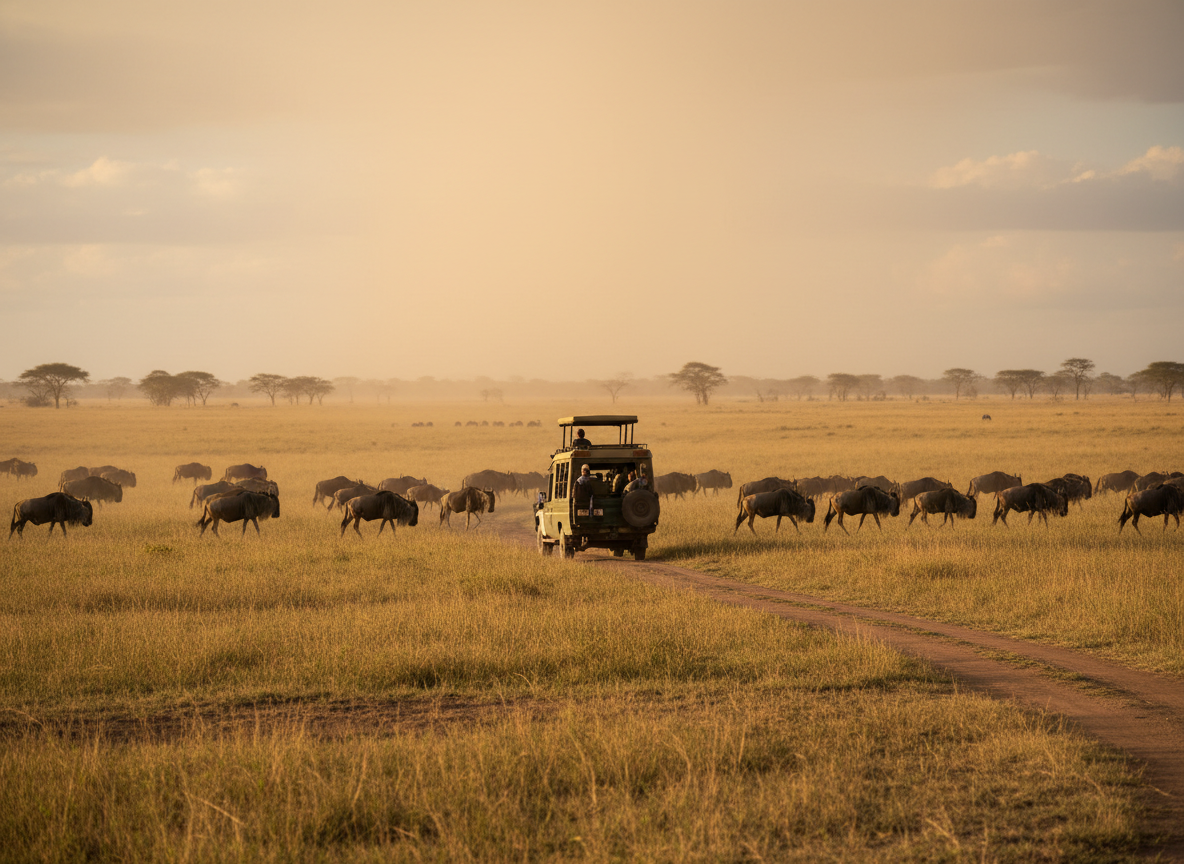
Responsible safari is practical. It means your guide, vehicle, camp and choices reduce pressure on wildlife and support the land that makes the safari possible.
A responsible safari Masai Mara approach includes:
- Keeping proper distance from crossings
- Never blocking animal movement
- Avoiding noise and crowd pressure
- Respecting reserve and conservancy rules
- Choosing camps with conservation value
- Supporting Maasai landowners and staff
- Reducing waste and plastic use
- Paying fair park and conservancy fees
It also means accepting that nature is not under your control.
River Crossing Ethics
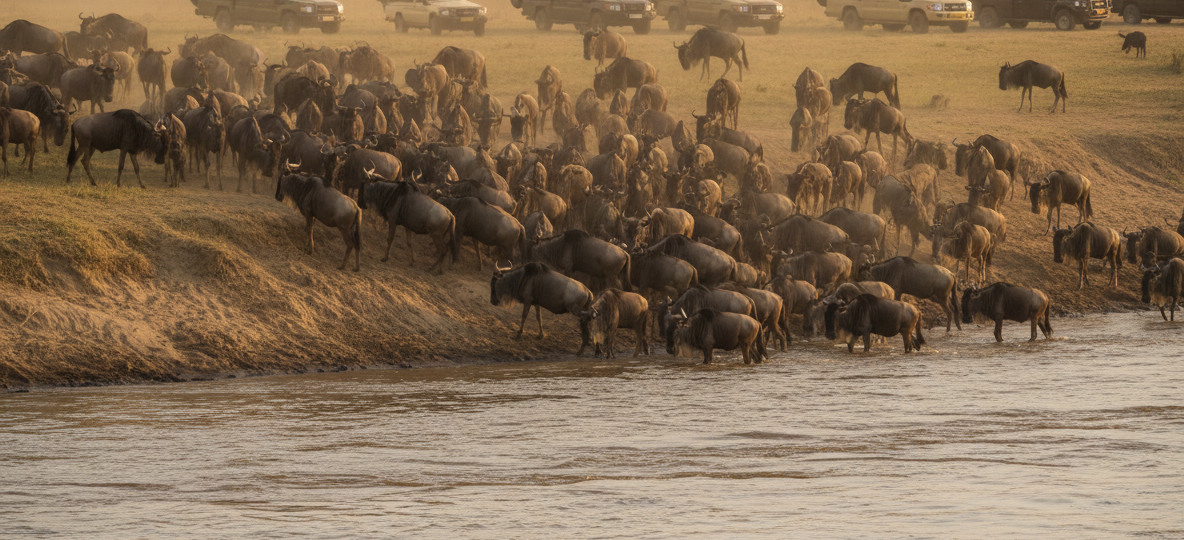
River crossings are the most sensitive moments of migration season. Wildebeest already face steep banks, fast water, crocodiles and herd pressure. Vehicles should not add fear or confusion.
Ethical crossing rules:
- Stay back from the river edge
- Keep vehicle noise low
- Do not drive between animals and the river
- Do not chase a herd toward a crossing
- Do not pressure the guide for illegal positioning
- Leave space for animals to retreat
- Let the crossing happen naturally
An ethical migration safari Kenya experience may mean waiting farther back than another vehicle. That is not a weaker safari. It is better guiding.
Why Conservancies Matter
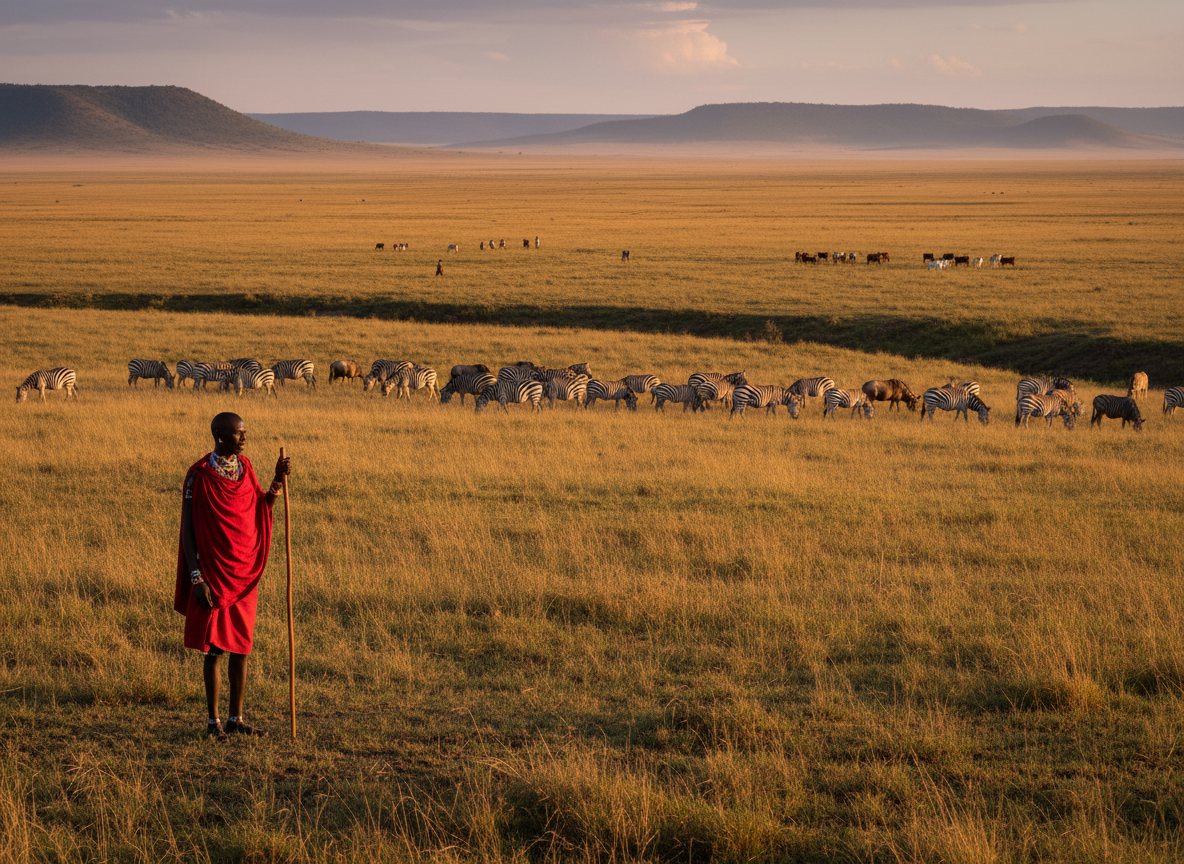
The migration depends on land beyond the reserve. Wildebeest, zebra, gazelle and predators do not understand park borders. They need corridors.
Maasai community conservancies help keep open land available for wildlife by creating income from tourism. When landowners earn from conservation, wildlife has value beyond conflict.
A Maasai conservancy migration safari can support:
- Lease payments to community landowners
- Local employment
- Lower vehicle density
- Habitat protection
- Cultural continuity
- Conservation education
Trunktrails Safaris values conservancy-based tours and safaris because they connect guests to the wider Mara system, not only the famous reserve.
Choosing Responsible Camps
Responsible camp choice is more than solar panels and nice language. Ask specific questions.
| Question | Why It Matters |
| Does the camp employ local staff? | Tourism income stays near the ecosystem |
| Does it support conservancy fees? | Land remains viable for wildlife |
| Does it manage waste carefully? | Camps reduce pressure on fragile areas |
| Does it limit vehicle crowding? | Wildlife behaviour is less disturbed |
| Are guides trained in ethical viewing? | Field decisions protect animals |
Eco tourism wildebeest migration searches often lead to vague claims. Look for actions, not slogans.
Guest Behaviour Matters
Even with a good guide, guests shape the safari.
Do:
- Listen when the guide says to stay seated
- Keep voices low near wildlife
- Avoid pressuring the guide to move closer
- Ask before photographing community members
- Carry reusable bottles where possible
- Respect camp water and power systems
- Tip fairly when service is good
Do not:
- Shout during sightings
- Stand suddenly in the vehicle near animals
- Fly drones without permission
- Leave litter
- Ask for off-road driving where not permitted
- Treat Maasai culture as a prop
Low Impact Does Not Mean Low Quality
A low impact migration safari can still be thrilling. In fact, it is often better. Calm vehicles get more natural behaviour. Patient guides read the field better. Guests who are not rushing every sighting often see more.
The best safaris feel intense because the wildlife is intense, not because the vehicle is too close.
How Responsible Safaris Improve the Guest Experience
Responsible safari is sometimes described as if it is only a duty. In practice, it often creates a better trip. Animals behave more naturally when vehicles keep proper distance. Guides can read the scene calmly when they are not being pushed to compete for position. Guests have more time to understand what is happening.
Low-pressure viewing also improves photography. A herd crossing a river without vehicles crowding the bank creates cleaner images and a stronger memory. The moment feels wild, not staged.
For children and first-time guests, responsible guiding also helps explain difficult scenes. Predation, injury and exhaustion are part of migration. A thoughtful guide can explain the ecology without making the experience feel careless or sensational.
Questions to Ask an Operator
Before booking, ask:
- How do your guides handle river crossing crowds?
- Do you use conservancy camps when they fit the itinerary?
- Are park and conservancy fees included?
- Do you brief guests on ethical viewing?
- How do you choose community visits?
- What conservation work does the company support?
Trunktrails Safaris welcomes these questions. They help guests see the difference between responsible language and responsible practice.
Conservation Safari Kenya Migration
A conservation safari Kenya migration trip should help guests understand why the migration still exists.
Key ideas:
- The Mara is part of a cross-border ecosystem
- Rainfall patterns shape grass growth
- Wildebeest movement supports predators and scavengers
- Conservancies protect land outside the reserve
- Maasai communities are central to the future of wildlife
- Tourism can either support or damage that balance
Trunktrails Safaris includes conservation context in our guiding because guests who understand the system become better supporters of it.
How Trunktrails Safaris Works Responsibly
Trunktrails Safaris is a Kenya-based operator with a direct stake in the future of the places we sell. Our responsible migration tours and safaris focus on:
- Ethical wildlife viewing
- Careful camp selection
- Community-aware cultural visits
- Local guide knowledge
- Clear guest briefing
- 5% of every booking toward wildlife and community conservation
- KATO Member and TRA Licensed accountability
We do not sell the migration as a theme park. We sell it as one of Earth’s greatest natural events, and we treat it with care.
Book a Safari That Respects the Mara
If you want to see the migration without adding pressure to it, plan with Trunktrails Safaris. We will match your budget and travel style with responsible camps, guides and routes.
WhatsApp: +254 113 208888
Email: info@trunktrailssafaris.com
Website: https://trunktrailssafaris.com
KATO Member | TRA Licensed