
Maasai Mara Green Season Safari: What Travelers Really Need to Know
If you are worried that mud will ruin your safari, you are not alone. Many travelers picture endless rain, stuck vehicles, and poor wildlife viewing. The truth is more balanced, and far more interesting.
A Maasai Mara green season safari can be one of the most beautiful times to visit Kenya. The plains turn rich and green. The air feels fresh. The light shifts fast, from silver cloud to warm gold. Birdlife explodes. Predator action often surprises people. Camps feel quieter, and rates are usually lower.
That does not mean it is perfect. Roads can get slippery. Some routes take longer. You need the right vehicle, the right guide, and the right expectations. That is where planning matters.
At Trunktrails Safaris, we believe honest advice helps people enjoy their safari more.
What Is the Green Season in the Maasai Mara?
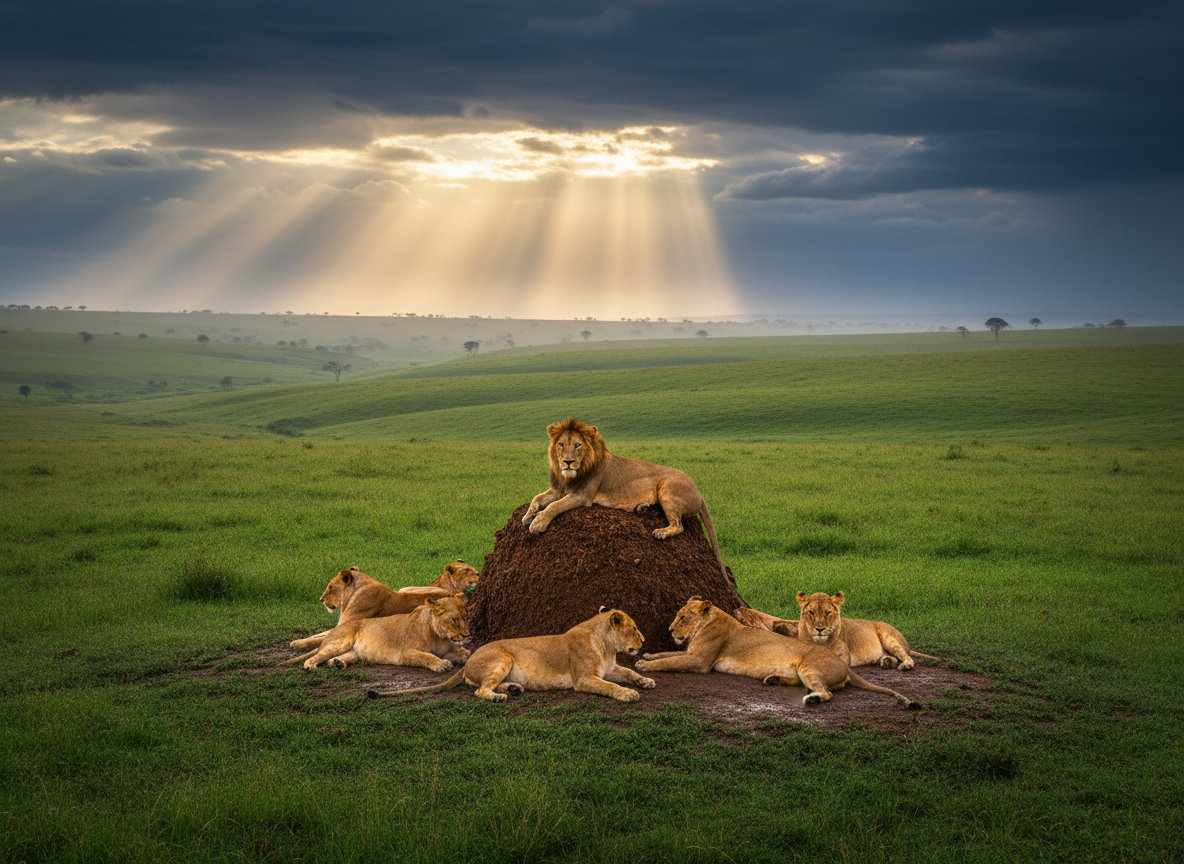
The green season is the rainy season in the Maasai Mara, usually spread across two wetter periods. It is when the landscape transforms from dusty gold to deep green. Grass grows fast. Seasonal flowers appear. Water collects in pans and streams. The reserve feels alive in a different way.
This season usually covers the short rains from around November to December, and the long rains from around March to May. Rain does not always fall all day. In many cases, it comes in bursts. You may have a bright morning drive, a dramatic afternoon shower, and a clear sunset.
This is also when the Mara looks softer and wilder. Skies become more dramatic. Trees and shrubs fill out. For travelers who like atmosphere, fewer crowds, and a more intimate mood, this season can be excellent.
Long Rains vs Short Rains: What Is the Difference?
The short rains are usually lighter and less disruptive. They often come as quick showers, mostly in the afternoon or evening. Roads can still be wet, but travel is often easier. Many experienced safari lovers enjoy this window because the landscape is green and wildlife viewing remains strong.
The long rains are heavier and more consistent. This is the period when mud becomes a real factor. Some roads get churned up. Certain camps may need more careful transfer planning. A few properties close for maintenance during the wettest weeks.
Still, it is a mistake to assume the Mara shuts down. It does not. The reserve remains active. Wildlife stays present. Well-run tours and safaris continue with adapted game-drive timing, strong vehicles, and guides who know which tracks to avoid.
What Wildlife Will You Actually See?
A common myth says animals disappear in the green season. They do not. You can still see lions, elephants, buffalo, giraffes, hyenas, zebra, antelope, and a wide range of birds.
What changes is not the presence of wildlife, but how you find it. Tall grass can make some sightings harder. Animals spread out more because water is widely available. At the same time, the reserve feels less pressured by traffic. Sightings often feel calmer and more natural.
This is also an excellent birding season. Migratory birds are around. Breeding plumage is vivid. Wetlands and grasslands hold constant movement. For many travelers, that becomes an unexpected highlight.
The Hidden Advantage: Predator Activity
Predators often do very well in the green season. Prey animals are feeding heavily. Young animals are present. Cover is thicker, which can help stalkers like lions and leopards. Hyenas stay busy. Cheetah sightings still happen, especially in more open areas.
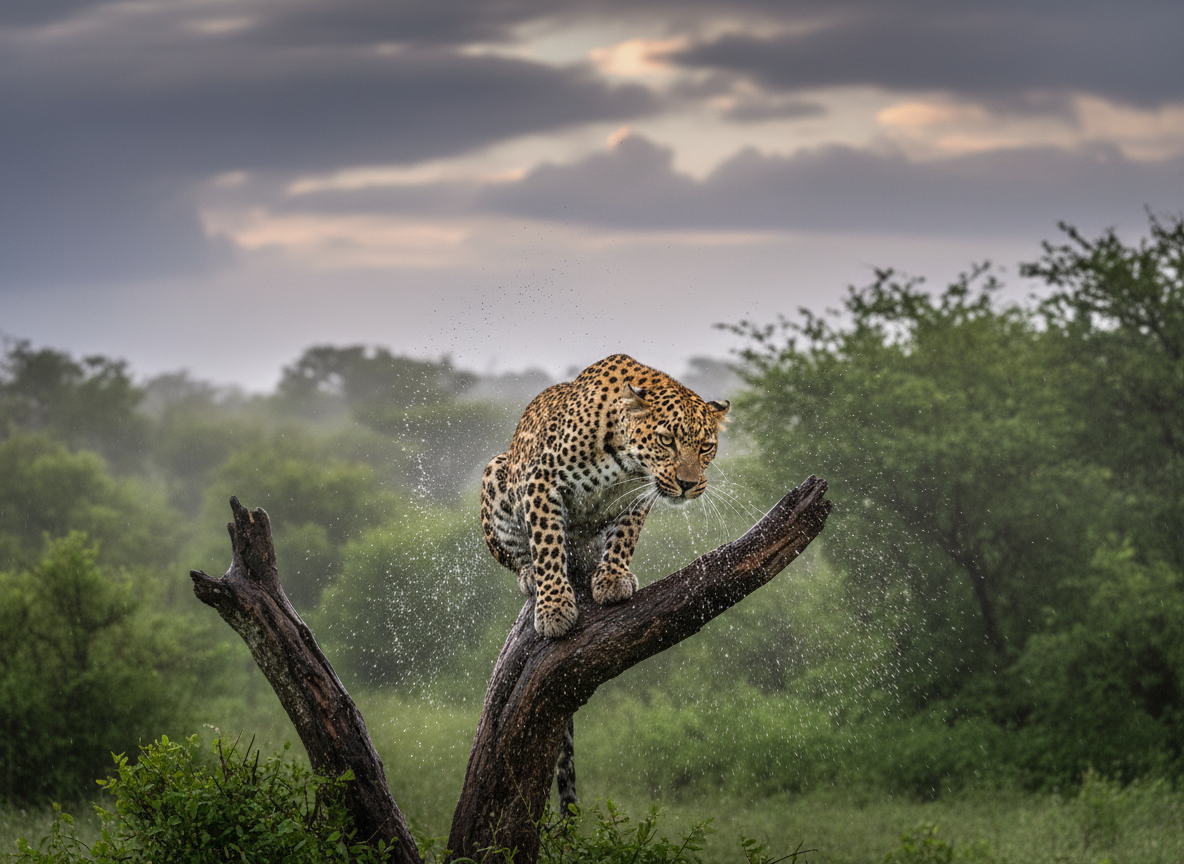
Rain itself does not stop predators. In fact, light rain can create some of the most atmospheric sightings in the Mara. A lion pride under a bush. A leopard shaking water from its coat. Hyenas moving through mist at dawn. These moments feel raw and real.
Guides who know the land well make a big difference. They read tracks in damp soil, interpret alarm calls, and predict movement around drainage lines and open plains. That local skill matters more in the wet season than in peak dry months.
Newborn Season: Nature’s Most Tender Spectacle
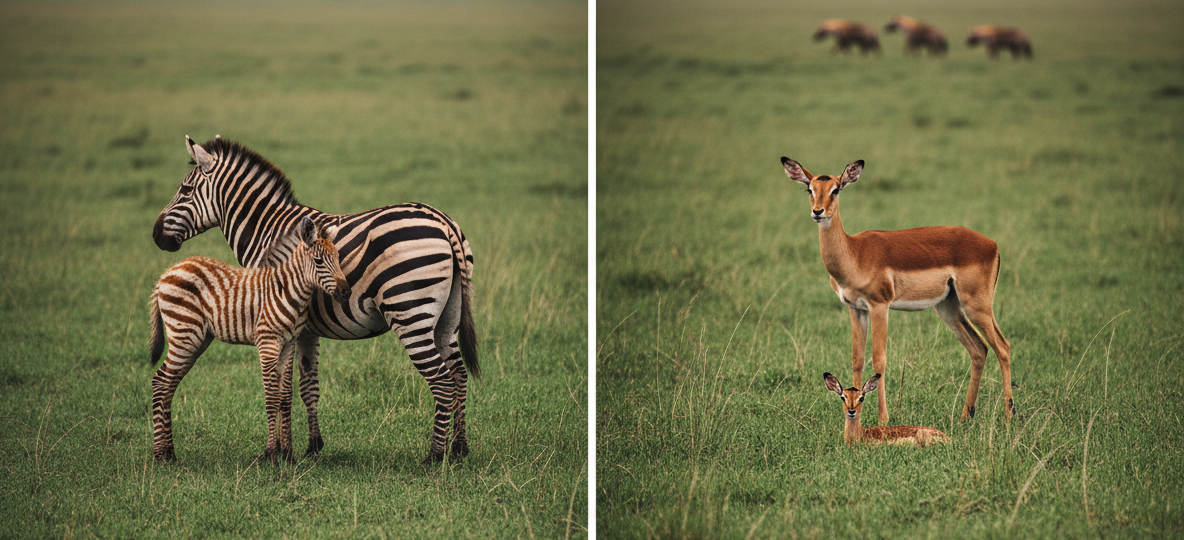
The green season often overlaps with a time of new life. Many antelope species drop their young when grass is fresh and food is abundant. You may see tiny impalas tucked into the grass, zebra foals staying close to their mothers, and wildebeest calves wobbling through their first days.
These scenes bring a softer side to safari. The Mara feels full of motion, but also full of beginnings. For families, photographers, and travelers who enjoy emotional wildlife moments, this season can be deeply rewarding.
Of course, newborn season also attracts predators. That is part of the ecosystem. The tenderness and the tension exist together. This is one reason green season safaris can feel so vivid and memorable.
What the Mud Really Means for Your Safari (Honest Guide)
Mud is the question most travelers ask first, and rightly so. Yes, it matters. No, it does not automatically ruin your trip.
The main impact is on movement. Drives can be slower. Guides may choose longer but safer routes. Very wet sections can become impassable for short periods. That means patience helps. It also means your operator should plan with weather in mind, not simply promise business as usual.
A Maasai Mara green season safari works best when you treat flexibility as part of the experience. If you do that, the rewards usually outweigh the inconvenience.
Road Conditions and Camp Access
Some roads in and around the Mara become slick and rutted after heavy rain. Black cotton soil can be especially challenging. It looks firm until it turns sticky. That is why vehicle quality matters. A proper 4×4 Land Cruiser is not a luxury in this season. It is the sensible option.
Camp location matters too. Some camps have easier all-weather access than others. Some airstrips remain a good backup when ground transfers get slow.
At Trunktrails Safaris, we brief travelers honestly about access conditions. We do not pretend every road will be smooth. We plan around likely conditions, stay in contact with camps, and adjust timing when needed. That is how good tours and safaris should be run.
What to Pack for a Wet Safari
Pack for wet ground, cool mornings, and changing temperatures. You do not need a huge wardrobe. You need practical layers.
- A lightweight waterproof jacket with a hood
- Neutral clothing that dries quickly
- A warm fleece for early drives
- Closed shoes or light waterproof boots
- A small dry bag for phones, batteries, and passports
- Camera rain cover or waterproof sleeve
- Microfiber cloth for lenses
- Binoculars and a hat for when the sun breaks through
Do not overpack. Smart, compact gear works best.
Why Green Season Is Perfect for Safari Photography
Photographers often love the green season for reasons casual travelers do not expect. The light is softer. Clouds add shape to the sky. Dust is lower. Backgrounds look rich instead of washed out. Animals stand out beautifully against fresh grass.
You also get stronger contrast in mood. One moment feels dark and dramatic. The next feels glowing and clean. Sunlight after rain can transform an ordinary scene into something extraordinary.
Bird photography improves too. Plumage is brighter, and there is more activity around water. If you enjoy storytelling images, this season gives you context: mud on tires, beads of rain on mane hair, calves in fresh grass, storm light over the plains.
Crowds are another factor. Fewer vehicles can mean cleaner compositions and less pressure at sightings. That alone makes many green season tours and safaris appealing to serious photographers.
Green Season Pricing: The Budget Advantage
This is one of the clearest reasons people choose the wet months. Green season rates are often more favorable than peak migration periods. Camps may offer lower prices, extra nights, or added value. Availability is usually better too.
That makes the Mara more accessible for travelers who want quality without the peak-season premium. It can also help families or small groups stretch their budget toward a better room category, a longer stay, or a fly-in option.
Prices vary by camp, month, and rainfall pattern, so it is better not to rely on old figures. Contact us for current rates and the best fit for your dates.
The Trunktrails Advantage: Green Season Done Right
A green season safari rewards good planning. This is where Trunktrails Safaris makes a difference.
We are a native Kenyan-owned company, based in Nairobi, with deep local understanding of how seasons affect routes, camp access, and game-drive rhythm. We build tailor-made itineraries for all budgets, from value-focused escapes to high-end stays. We provide 24/7 direct operator support, with no middlemen between you and the team running your trip.
We are also KATO-certified and TRA-licensed, which matters when conditions are less predictable. You want an operator that works to professional standards. Trunktrails Safaris also commits 5% from every booking to wildlife conservation, because strong tourism should support the landscapes and species that make these experiences possible.
For travelers who want responsible, well-managed tours and safaris, that combination matters. It means clearer communication, smarter planning, and support that does not disappear once the deposit is paid.
Frequently Asked Questions About Maasai Mara Green Season
Is the green season a bad time to visit the Maasai Mara?
No. It is simply a different experience. Expect greener scenery, fewer crowds, dramatic skies, and possible rain-related delays. If you want dry roads above all else, choose the dry season. If you value atmosphere, photography, and better pricing, the green season can be excellent.
Will mud stop game drives completely?
Usually not. It may slow them down or change the route. Serious operators use proper 4×4 vehicles and adapt to conditions. In very heavy rain, guides may delay departure or avoid certain tracks for safety.
Are wildlife sightings worse than in peak season?
Not necessarily. You will still see plenty of wildlife, including predators, elephants, giraffes, buffalo, and abundant birdlife. The main difference is that tall grass and wider water distribution can make some sightings less predictable.
Is the green season good for families or first-time safari travelers?
Yes, if expectations are realistic. Families often enjoy the quieter camps, softer scenery, and newborn animals. First-time visitors who want a calmer experience often find this season more personal than the busy migration months.
What kind of accommodation works best in the wet season?
Well-positioned camps with reliable access, experienced staff, and good game-drive logistics work best. Some travelers prefer fly-in stays to reduce long road transfers. A good operator will match your comfort level and budget to the right camp.
How do I get current advice before booking?
Reach out directly to Trunktrails Safaris for up-to-date guidance on rainfall patterns, camp access, and recommended itineraries. WhatsApp: +254 113 208888 | Email: info@trunktrailssafaris.com | Website: https://trunktrailssafaris.com
Ready to Book Your Green Season Safari?
If you have been hesitating because of mud, the best approach is not to avoid the season automatically. It is to plan it properly. The green season is beautiful, alive, and often underrated. It asks for flexibility, but it gives a lot back.
A Maasai Mara green season safari is ideal for travelers who want quieter camps, dramatic landscapes, strong wildlife moments, and excellent value. With the right guide and the right camp, wet-weather safari days can become the stories you remember most.
If you are considering tours and safaris in the Mara during the rains, contact us. Trunktrails Safaris will help you choose the right dates, the right camp, and the right pace for your trip.
TRUNKTRAILS SAFARIS
WhatsApp: +254 113 208888
Email: info@trunktrailssafaris.com
Website: https://trunktrailssafaris.com
KATO Member | TRA Licensed