Amboseli Park Fees Guide
Amboseli park fees guide is one of the most useful buyer-intent questions because park entry is one of the few hard safari costs that is published clearly. Everything else, like transport and accommodation, can vary widely. The fee itself is fixed by Kenya Wildlife Service, which makes it one of the easiest parts of the safari budget to understand if you use the official source.
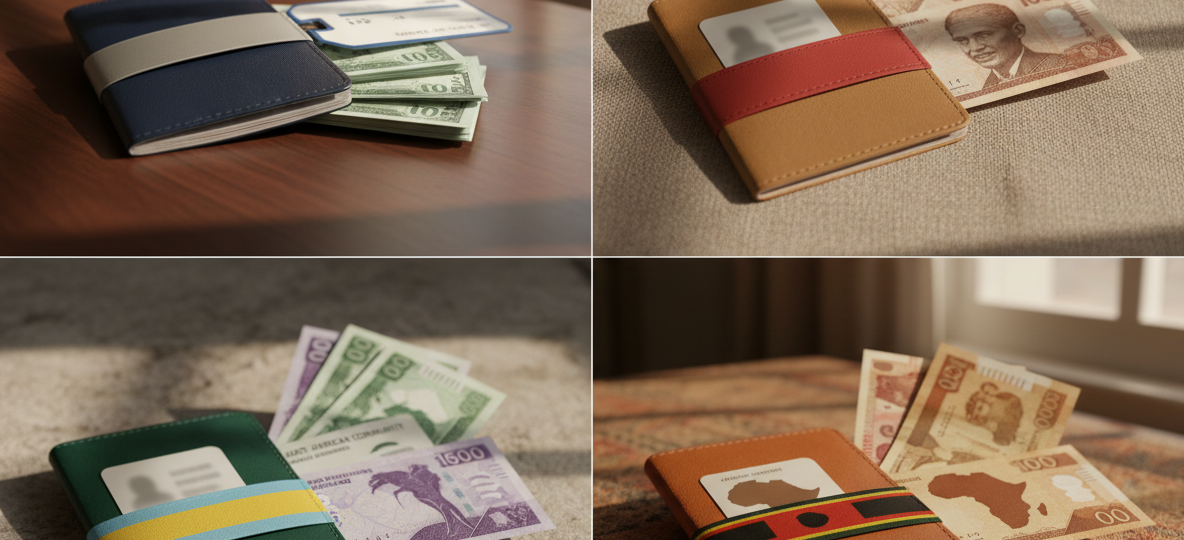
The current Kenya Wildlife Service Amboseli page lists the non-resident entry fee at USD 90 per adult and USD 45 per child, with different rates for East African citizens, African citizens, and residents. KWS also lists daily vehicle charges by seat category and says payment is made through eCitizen / KWSPay rather than casual gate-side improvisation.
That means the key planning question is no longer “what are the fees: ” It is “how do these fees actually affect the total trip: ”
The Short Answer
According to the current KWS Amboseli page:
- Non-resident adult: USD 90
- Non-resident child: USD 45
Vehicle charges are separate and depend on size.
For private tours and safaris, the park fee is only one part of the safari cost, but it is still a meaningful fixed line item.
Current Published KWS Fees for Amboseli
The official KWS page currently shows:
Non-resident:
- Adult: USD 90
- Child: USD 45
Resident:
- Adult: KSH 2,025
- Child: KSH 1,050
East African citizen:
- Adult: KSH 1,500
- Child: KSH 750
African citizen:
- Adult: USD 50
- Child: USD 25
These are the baseline park-entry rates travelers should budget from unless KWS updates them later.
Vehicle Charges Matter Too
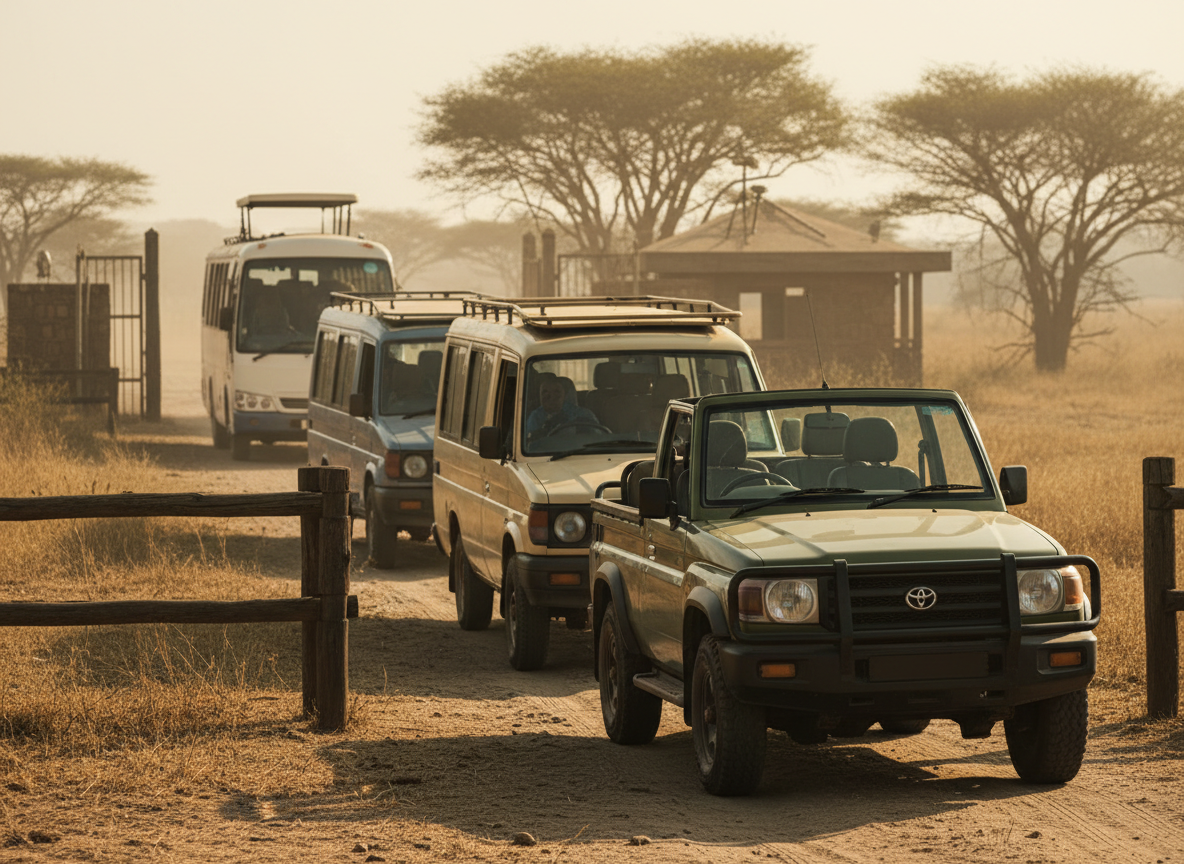
KWS also lists separate vehicle charges per day:
- less than 6 seats: KSH 600
- 6 to 12 seats: KSH 1,500
- 13 to 24 seats: KSH 3,000
- 25 to 44 seats: KSH 4,500
- 45 seats and above: KSH 5,000
These matter more for:
- self-drive guests
- groups
- operators pricing private vehicles
For many Trunktrails Safaris guests, these charges are already folded into the quoted itinerary rather than paid separately on the day.
How Do You Pay:
KWS states that payment is handled through eCitizen / KWSPay.
That matters because:
- travellers should not assume cash-at-gate flexibility
- operators usually sort this in advance
- clean fee payment reduces delays at the gate
For private tours and safaris, this is one of the useful things a good operator handles behind the scenes.
Why Season Does Not Change the Park Fee
One useful thing about the Amboseli fee structure is that the official gate rate does not swing up and down the way lodge pricing often does.
That means:
- KWS fees stay a fixed planning base
- accommodation often changes more sharply than entry fees
- peak-season quotes usually rise because of rooms, vehicles, and demand rather than because the gate price suddenly changed
This matters when travellers compare June to October with March to May or November. The safari may be cheaper in green-season months, but that does not usually happen because the official park fee disappeared. It happens because camps, lodges, and sometimes vehicle pricing become more flexible.
So if you are trying to reduce safari spend, the first place to look is not the park ticket. The first place to look is trip length, stay category, and how you package the transport.
Do You Pay Park Fees Per Day:
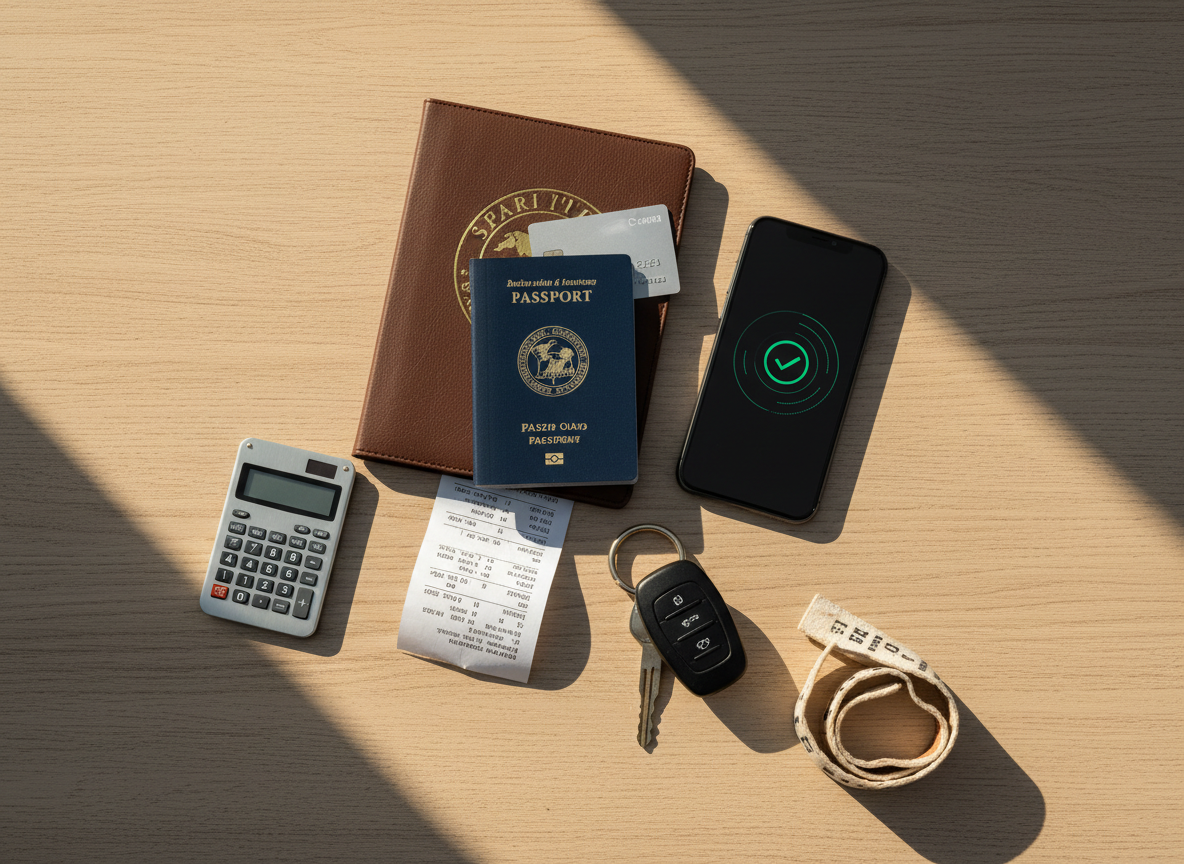
Yes, the published fee structure is daily.
This matters because:
- a day trip uses one day of fees
- an overnight safari can involve more than one day of fees depending on timing
- guests staying outside the park need to think carefully about daily entry and exit logic
That is why itinerary shape matters. The fee is simple, but the number of fee days can change with the structure of the safari.
Inside-the-Park Stay vs Outside-the-Park Stay
This is one of the biggest practical fee issues.
If you stay inside the park, the stay can sometimes use park time more efficiently because you are not re-entering from outside each day in the same way.
If you stay outside the park, you need to be more conscious of:
- daily entry timing
- whether the safari returns outside before the gate close period
- how the itinerary is priced around repeated access
This is why Trunktrails Safaris usually explains fees as part of the itinerary, not as an isolated number.
Are Park Fees the Biggest Safari Cost:
Usually not, but they are one of the clearest fixed costs.
The larger cost drivers are often:
- transport
- accommodation
- private vehicle versus group travel
- fly-in versus road safari
Still, park fees matter because they are unavoidable. They are one of the first serious line items in the whole safari budget.
What About Children:
The child rate matters a lot for family planning.
The current KWS non-resident child rate is USD 45, which is exactly half the adult rate.
That can make a major difference when a family is comparing:
- day trip versus overnight
- budget stay versus mid-range stay
- Amboseli versus a different park
For family tours and safaris, fee structure is part of why proper quoting matters.
Do Guides and Special Services Cost Extra:
KWS also lists special service rates for guided security tours:
- KSH 2,000 up to 4 hours
- KSH 4,000 over 4 hours
Many standard safari guests will not use this directly because guiding is already part of the operator service. But it is still useful to know the official framework exists.
Why Fees Feel Different on a Day Trip
On a day trip, park fees can feel heavier because:
- the whole safari is compressed
- you are paying the same gate fee for less time in the ecosystem
On an overnight safari, the same fee often feels better justified because the guest gets more wildlife rhythm, more light windows, and a fuller experience.
This is one reason overnight trips often produce better value, even if the total spend is higher.
Quick Amboseli Park Fees Guide
| Fee Type | Current Published KWS Rate |
| Non-resident adult | USD 90 |
| Non-resident child | USD 45 |
| Resident adult | KSH 2,025 |
| Resident child | KSH 1,050 |
| Small vehicle under 6 seats | KSH 600 |
| Vehicle 6 to 12 seats | KSH 1,500 |
The Trunktrails View
At Trunktrails Safaris, we treat park fees as one of the easiest safari costs to clarify because they are officially published and relatively stable compared with accommodation and transport swings.
The real planning value is not memorizing the numbers. It is understanding how those numbers interact with:
- trip length
- accommodation side
- family size
- vehicle style
That is what makes the budget feel clear instead of confusing.
Final Decision Rule
Use KWS fees as your fixed baseline.
Then build the real safari budget around:
- how many days you are entering
- who is traveling
- whether the stay is inside or outside the park
- what kind of vehicle or package you are using
That is the simplest honest way to cost Amboseli properly.
Ready to Plan Your Kenya Safari: Talk to Trunktrails Safaris
Trunktrails Safaris designs tailor-made tours and safaris for every traveller and every budget. If you want a clear Amboseli fee breakdown before booking, we can show you how park entry, transport, and stay style combine in the real itinerary cost.
WhatsApp: +254 113 208888
Email: info@trunktrailssafaris.com
Website: https://trunktrailssafaris.com
KATO Member | TRA Licensed